Category: <span>SEO</span>

Three Best-Practices to Align Web Development With SEO Digital Marketing

Three Best-Practices to Align Web Development With SEO

Aligning web development with SEO is crucial for ensuring that your website is search engine-friendly and ranks well in search results. To achieve this, consider implementing the following best practices during web development:

Mobile-First Approach:

With the majority of internet users accessing the web through mobile devices, adopting a mobile-first approach is essential. This means designing and developing your website with mobile devices in mind first, and then adapting it for larger screens. Google and other search engines prioritize mobile-friendly websites in their rankings, so having a responsive design that provides an optimal user experience across various devices is crucial for SEO success.

  • Use responsive design techniques to ensure that your website adjusts smoothly to different screen sizes and resolutions.
  • Optimize images and other media for faster loading times on mobile devices.
  • Test your website thoroughly on various mobile devices to ensure its functionality and usability.

Optimize Site Speed:

Site speed is a critical factor for both user experience and search engine rankings. A faster-loading website improves user satisfaction, reduces bounce rates, and enhances your chances of ranking higher in search results. To optimize site speed:

  • Minimize HTTP requests by combining CSS and JavaScript files.
  • Optimize and compress images to reduce their file sizes without compromising quality.
  • Enable browser caching to store static resources, reducing load times for returning visitors.
  • Use a content delivery network (CDN) to distribute website content across various servers, reducing latency and improving loading times.

SEO-Friendly URL Structure:

  1. Having a clean and SEO-friendly URL structure is essential for search engines to understand the content of your pages. It also makes your URLs more user-friendly and shareable. Follow these guidelines for creating SEO-friendly URLs:
    • Use descriptive and relevant keywords in your URLs that reflect the content of the page.
    • Separate words with hyphens (“-“) rather than underscores (“_”) to improve readability.
    • Keep URLs concise and avoid using unnecessary parameters or special characters.
    • Implement canonical URLs to prevent duplicate content issues and consolidate link equity.

By implementing these best practices during web development, you ensure that your website is well-optimized for search engines and provides an excellent user experience, leading to higher rankings and increased organic traffic. Remember that SEO is an ongoing process, and it’s essential to continually monitor your website’s performance, make improvements, and stay updated with the latest SEO trends and best practices

How Small Businesses Can Thrive Via Social Media in a Pandemic Crisis SEO

How Small Businesses Can Thrive Via Social Media in…

Social media has proven to be a valuable tool for small businesses during the pandemic crisis. With restrictions on physical interactions and changing consumer behaviors, leveraging social media can help small businesses thrive during these challenging times. Here are some strategies for using social media effectively

Increase Online Visibility:

With more people spending time online, focus on increasing your brand’s visibility through social media channels. Post regularly and engage with your audience to build brand awareness and stay top-of-mind with your customers.

Share Relevant and Valuable Content:

Provide value to your audience by sharing helpful and relevant content. This could include tips, tutorials, behind-the-scenes glimpses, or product updates. Content that educates, entertains, or addresses current concerns will resonate more with your followers.

Adapt Your Messaging:

Be sensitive to the current situation and adapt your messaging accordingly. Show empathy and acknowledge the challenges people are facing. Avoid being overly promotional and focus on building relationships and trust.

Utilize Live Streaming:

Live streaming on platforms like Facebook, Instagram, or YouTube can create a sense of real-time connection with your audience. Host virtual events, Q&A sessions, product demos, or webinars to engage with your customers directly.

Explore E-commerce and Online Selling:

If applicable to your business, consider setting up an e-commerce platform or utilizing social media shopping features. Make it easy for customers to browse and purchase products directly from your social media profiles.

Leverage User-Generated Content (UGC):

Encourage your followers to share their experiences with your products or services through UGC. Repost and showcase this content, as it helps build authenticity and trust around your brand.

Collaborate with Influencers:

Partnering with influencers relevant to your niche can expand your reach and bring new customers to your business. Look for influencers who align with your brand values and have a genuine connection with their followers.

Respond to Customer Inquiries Promptly:

Social media is often a go-to platform for customer inquiries and complaints. Respond promptly and professionally to show your commitment to customer service.

Run Social Media Contests and Giveaways:

Contests and giveaways can generate excitement and engagement on your social media profiles. Offer prizes that are relevant to your audience and encourage participation.

Monitor Trends and Analytics:

Stay informed about social media trends and changes in user behavior. Monitor your social media analytics to understand what content resonates best with your audience and adjust your strategy accordingly.

Stay Positive and Supportive:

Share positive and uplifting content to bring joy and hope to your audience during challenging times. Additionally, show support for your local community and other small businesses to foster a sense of unity.

Remember that consistency and authenticity are key to thriving on social media during a crisis. Engage with your audience genuinely and maintain open lines of communication. By adapting your approach and leveraging the power of social media, small businesses can continue to build their brand, connect with customers, and even find new opportunities to grow during the pandemic crisis.

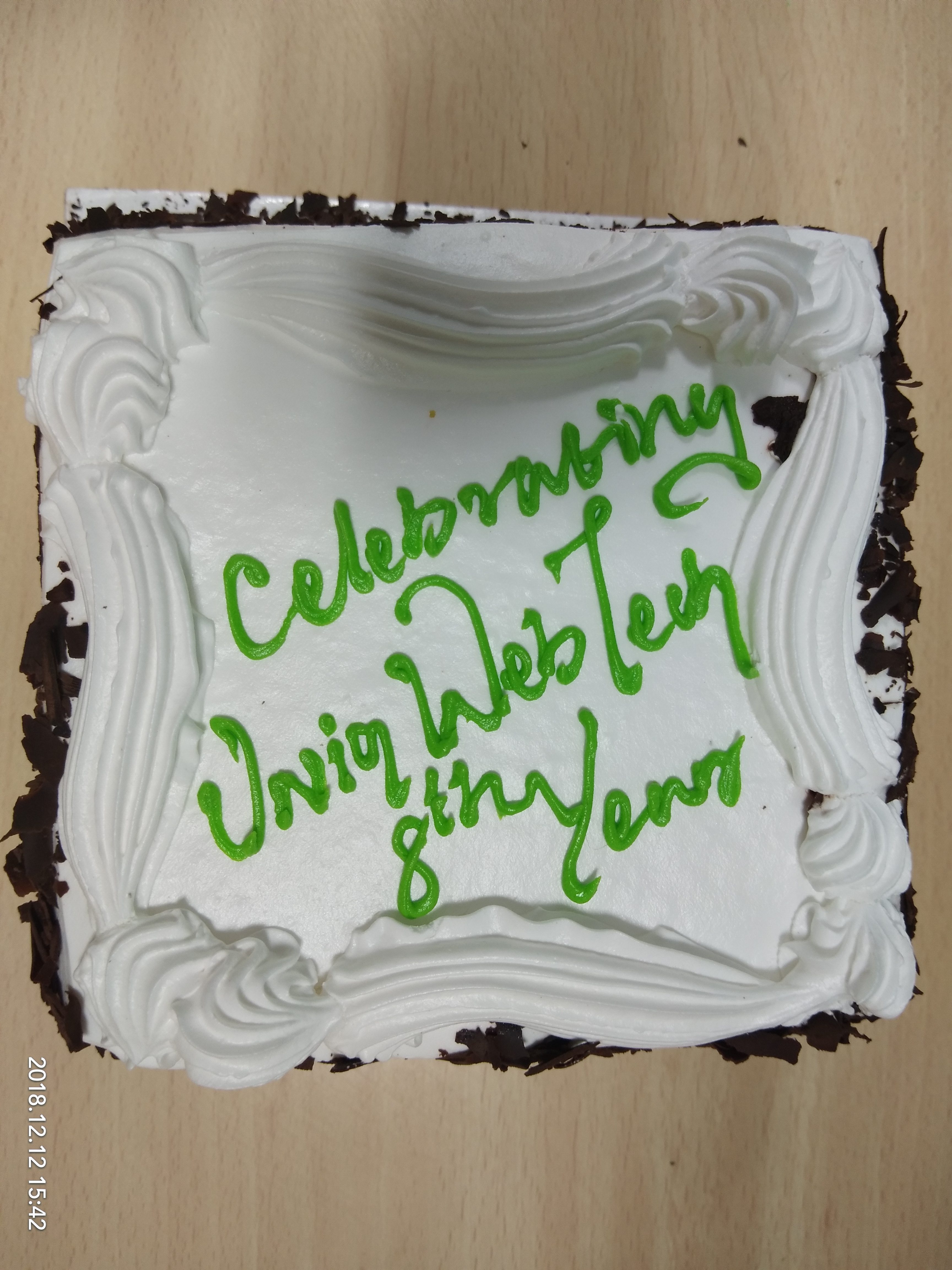
10th anniversary of Uniqwebtech SEO

10th Anniversary of Uniqwebtech !!!

Congratulations on reaching the 10th anniversary of Uniqwebtech! A decade in the ever-evolving world of web technology is a remarkable achievement and a testament to your team’s hard work, dedication, and commitment to excellence.

Office Opening Day


Over the past ten years, you have undoubtedly witnessed significant advancements in web development, digital marketing, and technology as a whole. Your ability to adapt and thrive in this dynamic landscape is commendable and speaks volumes about your expertise and innovation.

As you celebrate this milestone, take a moment to reflect on the countless projects you have delivered, the satisfied clients you have served, and the positive impact you have made in the digital space. Your contributions have likely helped businesses grow, expand their online presence, and reach new heights.


First Year Office Anniversary Celebration :


Here are the few more office anniversary celebrations photos


The journey to a decade of success is filled with challenges, successes, and learning opportunities. Embrace each experience, as they have shaped Uniqwebtech into the strong and reputable company it is today.

As you look to the future, may the next ten years be even more prosperous and filled with exciting opportunities. Continue to push the boundaries of web technology, provide exceptional services, and make a difference in the digital world.

Congratulations once again on your 10th anniversary, and here’s to many more years of continued success and growth! Cheers to Uniqwebtech and the entire team for a decade of excellence


Google Core Algorithm Updates December 2020 SEO

Google Core Algorithm Updates December 2020

As of my last update in September 2021, I can provide information on the Google Core Algorithm Updates up to December 2020. Please note that there might have been additional updates and changes beyond that date. Here are the significant core algorithm updates released by Google in December 2020:

December 2020 Core Update (December 3, 2020):

This was a broad core algorithm update that aimed to improve the relevance and quality of search results. Google releases core updates several times a year, and they can have noticeable impacts on search rankings for websites. The December 2020 Core Update was no exception, as it affected the rankings of many websites across various industries.

Google did not provide specific guidance on how to recover from the update’s impact, as core updates focus on overall improvements to search algorithms. Instead, they advised website owners to focus on creating high-quality, user-centric content, and to avoid engaging in any manipulative or spammy practices.


serpmetrics-top 100 positions

As with any core update, some websites may experience fluctuations in rankings, while others may see improvements. It’s essential to monitor your website’s performance and make ongoing improvements to enhance its overall quality and relevance.

rankranger-may-vs-dec-google-core-update-avg-pos-800x507


rankranger-may-vs-dec-google-core-update-800x507


rankranger-may-vs-dec-google-core-update-industry-800x506


Keep in mind that Google’s algorithm is continuously evolving, and it’s normal for rankings to fluctuate from time to time due to various updates and adjustments made by Google.

To stay up to date with the latest changes and ensure that your website performs well in search results, regularly check Google’s official announcements and follow SEO best practices.

Why International SEO is important for your business SEO

Why International SEO is important for your business ?

International SEO is crucial for businesses looking to expand their reach and tap into global markets. Here are several reasons why international SEO is essential for your business:

Global Audience Reach:

International SEO allows your website to be visible to a global audience. By optimizing your content for international search engines and different languages, you can attract visitors and potential customers from various countries and regions.

Increased Website Traffic:

Targeting international markets through SEO can significantly increase your website traffic. When people from different countries can find and understand your content, they are more likely to visit your site and explore your offerings.

Opportunities for Business Growth:

Expanding into international markets opens up new opportunities for business growth. You can tap into markets with higher demand for your products or services, allowing you to scale your business beyond your local market.


Google Analytics Data for analysis of traffic

Diversification of Revenue Streams:

By targeting multiple international markets, you can diversify your revenue streams. This reduces the reliance on a single market and protects your business from economic fluctuations or changes in consumer behavior in specific regions.

Competitive Advantage:

Many businesses may not invest in international SEO, giving you a competitive advantage in global markets. By being one of the few businesses targeting international audiences, you can establish a strong position in those markets.

Cultural Relevance:

International SEO involves understanding the cultural nuances and preferences of different regions. By tailoring your content to be culturally relevant, you can create a deeper connection with international audiences and enhance brand trust.

Cost-Effectiveness:

Compared to traditional international marketing methods, SEO is a cost-effective strategy. Once you have optimized your website for international audiences, it continues to attract organic traffic without the need for ongoing advertising expenses.


Easier Market Entry:

With the internet breaking down geographical barriers, businesses can enter international markets more easily than ever before. International SEO makes it possible to establish a presence in new markets without a physical presence.

Improved User Experience:

A well-executed international SEO strategy includes providing localized content, language options, and region-specific information. This enhances the user experience for visitors from different countries, increasing the likelihood of engagement and conversions.

Brand Reputation and Authority:

Establishing your brand presence in multiple countries through international SEO can boost your reputation and authority in the global market. A strong international online presence can instill confidence in potential customers and partners.

To effectively implement international SEO, consider conducting thorough keyword research for each target market, ensuring website technical elements are optimized for international audiences (such as hreflang tags for language targeting), and creating localized and culturally relevant content.

Remember that international SEO is a long-term strategy, and it’s essential to monitor performance, adjust strategies as needed, and stay up to date with global market trends and SEO best practices.

Pros & Cons of international seo

Relevance

It’s fundamental to translate (if language targeted) or localize (if country targeted) the different elements of the pages of each of your international versions, using the keywords and phrases that you have identified during the initial research:

URLs
The title and meta description
Menu and navigation elements
Headings
Images and ALT descriptions
Main body information
Reviews
Prices, phone, address, etc. should be as targeted as possible, too

Final international SEO checklist

H1, H2, H3, and H4 tags play a key role in your content strategy. Use these tags properly for better results. Optimize your Image Alt tags. If you have lots of text and other forms of content in your website, please interlink all of that through SEO friendly anchor texts. Identify bad redirects and fix them periodically.

Additional steps for your international SEO strategy

You should connect your website with other similar but complementing websites. While linking, please ensure that those websites have good quality. Linking with bad quality websites may destroy your credibility. You may also consider fixing various crawling errors, broken links, and other kinds of errors periodically. Besides, please pay attention to local, regional, and country-specific citations on your website.

Benefits of international SEO and hosting

An important question to be answered is where should your web host be located? This is an important issue, though not critical. Many experts say that for getting global traffic, the location of your website host server is an important signal. The alternate view is that there are far more important signals for geo-targeting. However, your server-location does impact site load times.

International-SEO-History

Follow these steps to compose a winning international SEO strategy:

Do market research
Research the best way to cater to your audiences
Define how you’ll be managing your SEO
Do full-blown keyword research
Create a keyword strategy
Define how your localization process works
Create a link building strategy

Conclusion

Yes, creating an international SEO strategy is a long, complicated process. But the most important aspects are keyword localization and URL structure.

If you can do that, you’re well on your way to entering new markets with a strong international SEO strategy to guide you. Else you can reach to out an international SEO agency like us to establish your brand globally.

Google Search Console Temporarily Drops Request Indexing Feature ! Announcements

Google Search Console Temporarily Drops Request Indexing Feature !

As of my last update in September 2021, I don’t have real-time access to current events or changes in services. However, as of that time, Google had indeed temporarily dropped the “Request Indexing” feature from the Google Search Console.

The “Request Indexing” feature allowed website owners and webmasters to submit URLs directly to Google for indexing, prompting Google to crawl and index the submitted pages faster than the regular crawling process. This feature was particularly useful when website owners wanted their new or updated content to be indexed quickly.

Request Indexing Disabled

Google temporarily removed this feature in October 2020, stating that they needed to make some infrastructure changes. The decision to suspend the feature was also influenced by the increase in the number of requests, making it difficult for Google to handle the workload effectively.

During the period when the “Request Indexing” feature was unavailable, Google recommended that website owners focus on creating high-quality content and ensuring that their websites are crawlable and accessible to search engines. Google’s regular crawling process was still active, and it would automatically index new or updated content over time.

Page Index Dsiabled


Page Index Dsiabled clarification

It’s essential to keep an eye on official announcements from Google or the Google Search Console for any updates or changes to features, as the availability of the “Request Indexing” feature may change in the future.

For the most current information on Google Search Console features and updates, I recommend visiting the official Google Webmaster Central blog or the Google Search Console Help Center.

Top 10 Free SEO Tools to improve your website position ! Digital Marketing

Top 10 Free SEO Tools to improve your website…

Improving your website’s position in search engine rankings is crucial for attracting more organic traffic and increasing visibility. Here are the top 10 free SEO tools that can help you optimize your website and boost your search engine rankings

Google Search Console:

Google Search Console is a powerful tool that provides valuable insights into your website’s performance in Google search results. It offers data on search traffic, indexing status, and keyword performance. You can identify and fix technical issues, submit sitemaps, and monitor your website’s search presence.

Google Analytics:

Google Analytics allows you to track and analyze website traffic, user behavior, and engagement. It helps you understand which pages are performing well, where your traffic is coming from, and how users interact with your content.

Google Keyword Planner:

This tool, part of Google Ads, helps you find relevant keywords and their search volumes. It enables you to discover keyword ideas for your content and understand their competitiveness.


Ubersuggest:

Ubersuggest is a comprehensive keyword research tool that provides keyword suggestions, search volume data, and SEO difficulty scores. It also offers insights into competitor’s top-performing pages and backlinks.

Yoast SEO (WordPress Plugin):

If your website is on WordPress, Yoast SEO is a powerful plugin that helps optimize your content for SEO. It provides on-page optimization suggestions, such as keyword usage, meta tags, and readability analysis.

SEMrush (Limited Free Version):

SEMrush offers a limited free version that provides insights into organic search traffic, backlinks, and top-performing keywords. It also allows limited keyword research and competitive analysis.

Woo Rank Analysis


Moz Link Explorer:

Moz offers a free version of its Link Explorer tool that provides backlink data, domain authority, and spam score. Analyzing your backlinks helps you understand your website’s authority and identify areas for improvement.

Google Mobile friendly test

Screaming Frog SEO Spider:

This desktop-based tool crawls your website to identify technical SEO issues, such as broken links, duplicate content, and missing meta tags. The free version allows crawling up to 500 URLs.


Exploding seo tool


Answer the Public:

This tool helps you discover content ideas and questions that people are searching for related to your target keywords. It can be useful for creating content that addresses users’ specific queries.


GTmetrix:

Website speed is crucial for SEO. GTmetrix analyzes your website’s loading speed and provides suggestions for optimization. It helps you identify areas where your site can be improved for better performance.

SERPerator seo tools


7. Reddit Keyword Research Tool

Here is one of my favorite little keyword research tools. Why? Because it can bring up words that I probably wouldn’t find with any other tool.

This tool rubs Reddit words and phrases that tend to crop up in particular subreddits.

Reditt Keyword Research Tool


8. Panguin Tool

Get to the base of a rankings drop. This tool compares your search traffic with known Google updates.

Why is this helpful?

Well, if you notice that your rankings dropped around the time of a big Google update, you can figure out what went wrong… and fix it.

Panguin SEO Tool

9. Dare Boost 

Investigate your site for speed, SEO, security, and more. Dareboost isn’t strictly an SEO tool.

But it does examine your site for things that indirectly influence SEO, like your site’s loading speed and security.

Dareboost seo tools

Dareboost seo tools


 10. Detailed.com

Get intel on your rival(s). Detailed provides you a curated list of the several successful sites in your industry.

This way, you can size up your biggest competitors.

Detailed Seo tool


These free SEO tools can significantly improve your website’s position in search engine rankings by providing valuable insights, helping you optimize your content, and identifying areas for improvement. Remember to use a combination of tools for a comprehensive SEO strategy and continuously monitor your website’s performance to stay ahead in the competitive online landscape.

How the COVID-19 crisis is reshaping remote working SEO

How the COVID-19 crisis is reshaping remote working ?

As of my last update in September 2021, the COVID-19 crisis had already significantly reshaped remote working practices around the world. It accelerated the adoption of remote work and brought about several notable changes and trends. However, it’s important to note that the situation may have continued to evolve beyond my last update. Here are some ways the COVID-19 crisis reshaped remote working:

Mass Adoption of Remote Work:

The pandemic forced many companies and organizations to transition to remote work almost overnight. Businesses had to quickly set up remote work infrastructure, including collaboration tools and communication platforms.

Flexibility and Work-Life Balance:

Remote work allowed employees to have more flexibility in managing their work hours and location. This shift provided better opportunities for work-life balance and increased employee satisfaction.

Emphasis on Virtual Communication:

Virtual communication tools, such as video conferencing and collaboration platforms, became essential for remote teams to stay connected and productive. Companies had to invest in and adapt to these technologies.

Digital Transformation:

The pandemic accelerated digital transformation efforts across various industries. Companies invested in cloud-based services, cybersecurity measures, and remote work technologies to support a distributed workforce.

Expanded Talent Pool:

Remote work eliminated geographical barriers, allowing companies to hire talent from different regions and countries. This expanded the potential talent pool and fostered a more diverse workforce.


covid effect

Reduced Commuting and Emissions:

With fewer people commuting to offices, there was a positive impact on traffic congestion and greenhouse gas emissions. Remote work contributed to a decrease in carbon footprint during the height of the pandemic.

Challenges with Work-Life Boundaries:

While remote work offered flexibility, it also posed challenges in setting clear work-life boundaries. Many employees found it challenging to separate work and personal life due to the blurred lines between home and office.

Impact on Commercial Real Estate:

The shift to remote work raised questions about the future of office spaces and commercial real estate. Some companies downsized their physical office spaces or explored hybrid work models.

Emphasis on Remote Team Management:

Managers had to adapt to leading remote teams effectively. This required new strategies for communication, team collaboration, and performance evaluation.

Health and Safety Concerns:

In addition to remote work, companies had to prioritize employee health and safety in cases where on-site work was necessary. Enhanced safety protocols were implemented to protect essential workers.

Conclusion

As the COVID-19 crisis evolved, companies and employees had to adapt to changing circumstances and embrace the possibilities and challenges of remote work. While some organizations may return to traditional office settings post-pandemic, the experience of the crisis has undoubtedly left a lasting impact on remote work practices and the way businesses approach flexible work arrangements

How Social Media Platforms help to Grow Your Business in 2020 Digital Marketing

How Social Media Platforms help to Grow Your Business…

Are you looking for ways to grow your business in 2020 using social media platforms? Want to know the most popular social media sites that can help fuel your growth?

Statista shares the top 15 platforms, based on audience size, in this graphic.

Here are the top five from their list:

Facebook
YouTube
WhatsApp
Messenger
WeChat

top social media apps

How to optimize SEO with 2020 google algorithm updates Digital Marketing

How to optimize SEO with 2020 google algorithm updates?

Google Algorithm Updates

As of my last update in September 2021, there were several notable Google algorithm updates in 2020, including the May Core Update and the December Core Update. While I don’t have specific information on updates beyond that date, I can provide you with some general SEO optimization strategies that have been effective with Google algorithm updates.

High-quality content

high quality content


High-Quality Content:

Google places a strong emphasis on high-quality, relevant, and authoritative content. Create comprehensive and valuable content that satisfies users’ search intent and answers their questions. Avoid thin or duplicate content.

E-A-T (Expertise, Authoritativeness, Trustworthiness):

Focus on building your site’s expertise, authority, and trustworthiness. Demonstrate expertise in your industry or niche, showcase author credentials, and back up claims with credible sources.

Mobile Optimization:

Ensure your website is mobile-friendly and provides an excellent user experience on all devices. Mobile-first indexing means Google predominantly uses the mobile version of the content for indexing and ranking.

Page Speed:

Google algorithm Updates

Optimize your website’s loading speed. Faster-loading pages tend to rank better, as they provide a better user experience.

User Experience:

User experience plays a crucial role in SEO. Make your site easy to navigate, with intuitive menus and clear site architecture. Implement breadcrumbs, use descriptive URLs, and optimize for user satisfaction.

Backlinks:

Focus on acquiring high-quality and relevant backlinks from authoritative websites. Quality backlinks are still an essential ranking factor.

Content Freshness:

Regularly update and refresh your content to demonstrate its relevance and timeliness. This is particularly important for topics that are frequently changing or evolving.

User Intent:

Understand user intent behind search queries and tailor your content to match those intentions. Consider the different stages of the buyer’s journey and create content that addresses various user needs.

Remember that SEO is an ongoing process, and it’s essential to stay up-to-date with the latest algorithm changes and industry trends. Regularly monitor your website’s performance and adapt your SEO strategies accordingly. Additionally, consider seeking advice from reputable SEO professionals or agencies to help you navigate the complexities of search engine optimization.

escort mersin